
The 2026 World Conference on Traditional Medicine was grandly held in Beijing from October 17 to 18. Under the theme "Empowering Innovation, Advancing Integrated Development: Making Traditional Medicine Accessible to All", the conference included a government forum, a plenary session and eight parallel forums. It attracted more than 4,000 guests from 44 countries and regions across six continents, with 154 high-level speeches and reports to advance the inheritance and innovative development of traditional medicine worldwide. Guang'anmen Hospital undertook two parallel forums on oncology and immune related diseases.
On October 17, Academician Tong Xiaolin, Member of the Chinese Academy of Sciences and Director of the Institute of Metabolic Diseases at Guang'anmen Hospital, delivered a keynote speech at the plenary session. His presentation, Prevention and Treatment of Four Major Chronic Diseases with Traditional Chinese Medicine: Traditional Medicine Contributing to Healthy China, shared the latest research findings and practical experience of TCM in managing major chronic diseases. He noted that global exchange and collaborative innovation in traditional medicine can offer more wisdom for human health.
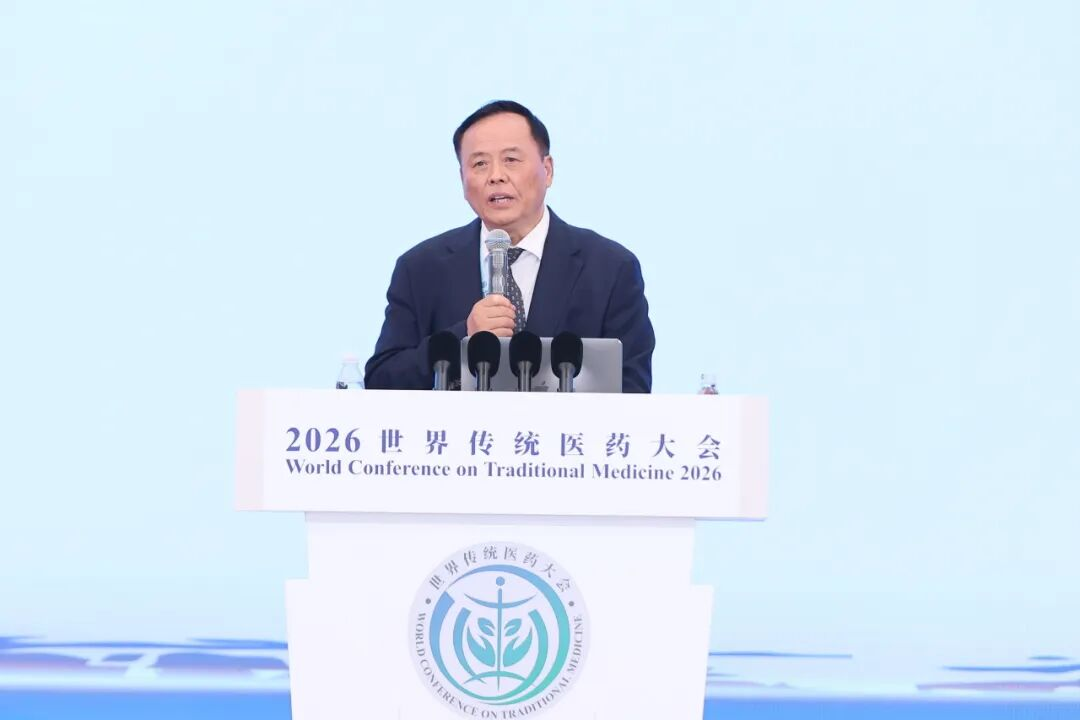
On October 18, the two hosted forums on integrated traditional and modern medicine for oncology and immune related diseases were held simultaneously. The forums gathered 29 top experts including academicians and Qihuang scholars from China, the United States, Germany, the Republic of Korea, Sweden, Canada and other countries. More than 400 participants explored globally challenging health issues around tumors and immune disorders from the perspectives of evidence-based research, clinical integration, mechanism study and translational innovation.
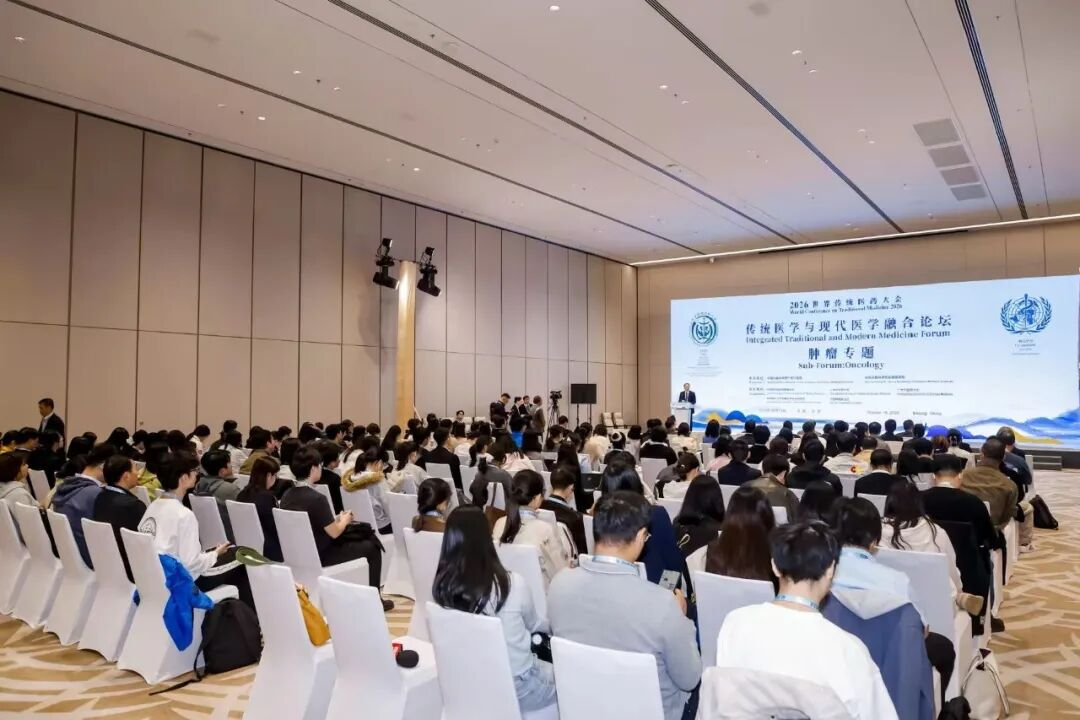
The oncology forum, themed “Evidence-based Leadership and Integrated Innovation: Traditional Medicine Empowering Whole-course Tumor Prevention and Treatment”, featured seven keynote lectures and thematic dialogues to discuss the role of traditional medicine and combined treatment strategies in modern anti-cancer therapy.
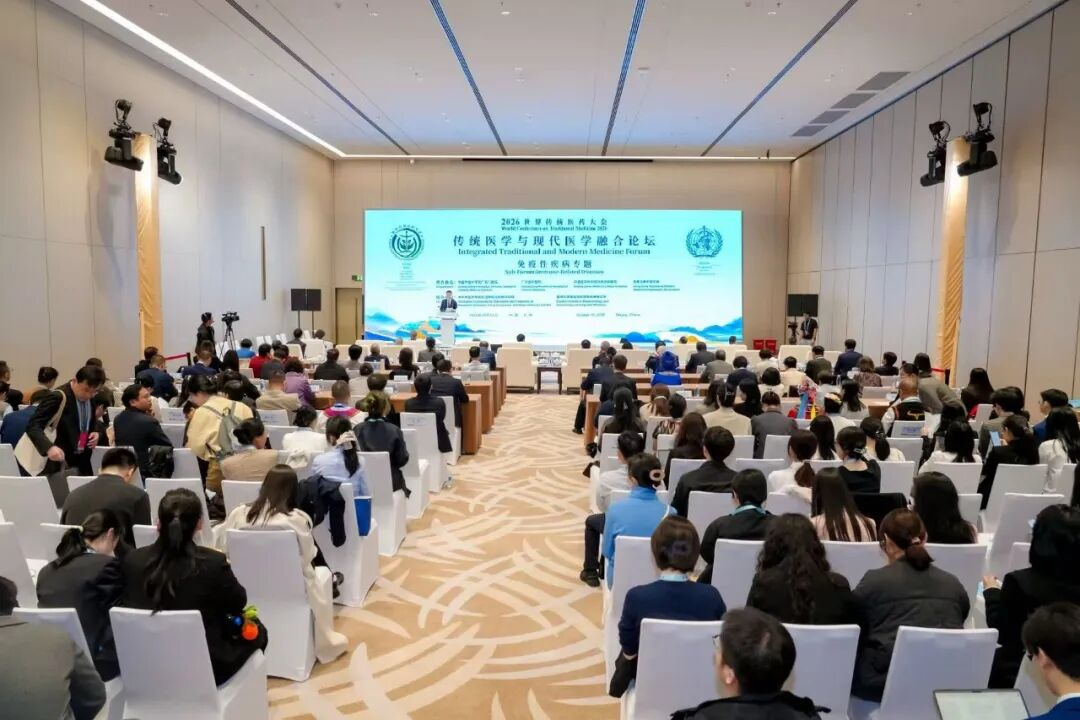
The immune related diseases forum focused on immune imbalance, immune comorbidity and immune ageing. Experts discussed clinical evidence, molecular targets of natural products, AI-assisted TCM translation and the immune regulatory mechanism of artemisinin. The International Expert Consensus on Non-pharmacological Therapies for Fibromyalgia Syndrome was officially released at the forum. Experts agreed that complex refractory illnesses such as tumors and immune diseases call for complementary strengths of traditional and modern medicine. Enhanced international joint research, solid evidence-based systems and modern technology will help deliver integrated medical solutions for global public health.
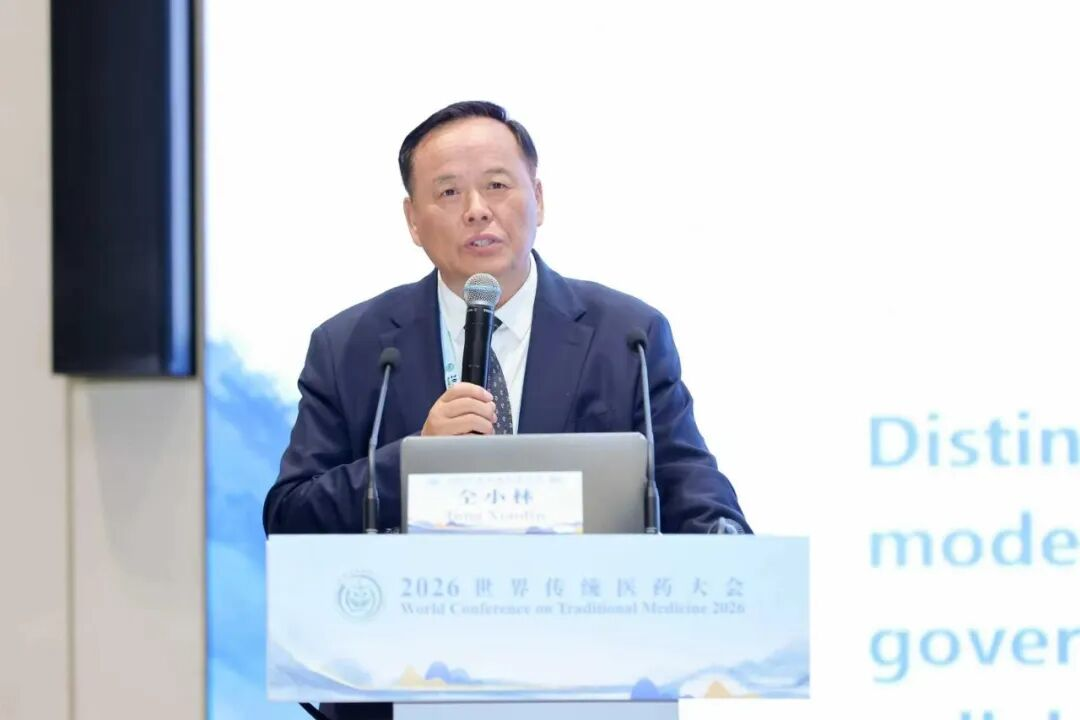
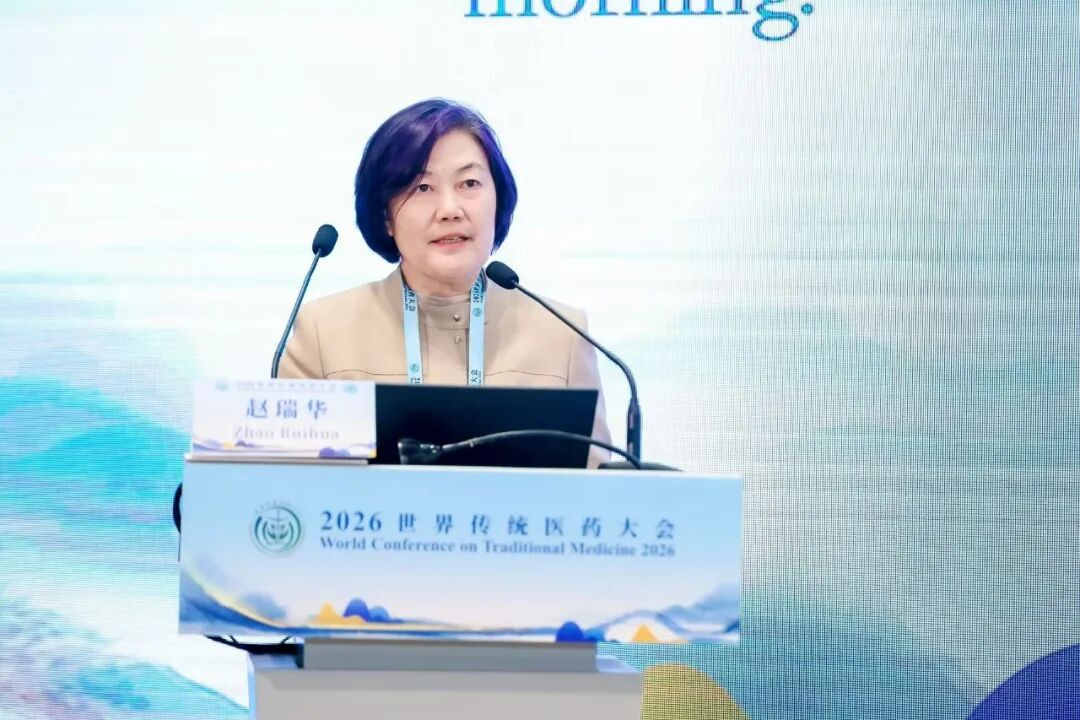
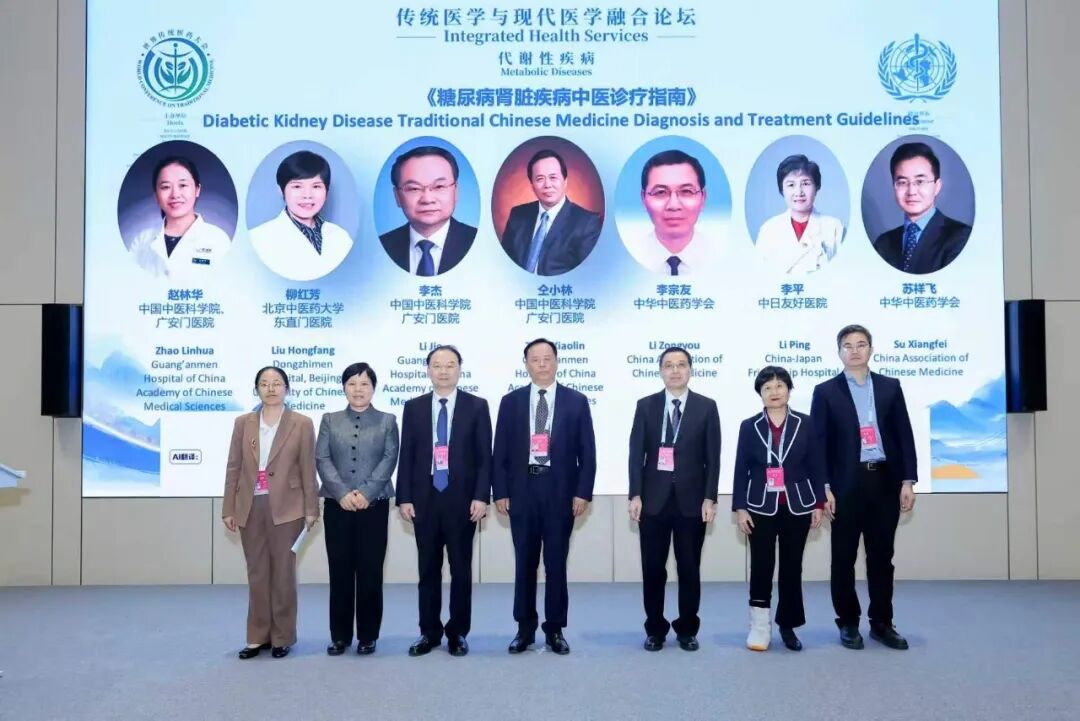
During the conference, Academician Tong Xiaolin also spoke at the metabolic diseases forum with the topic Diagnosis and Treatment of Comorbid Conditions via State-Target Differentiation in Integrated Chinese and Western Medicine. Professor Zhao Ruihua, former Director of the Gynecology Department and Chair of the Women's Reproductive Health Drug Research Committee under the Chinese Association of Traditional Chinese Medicine, presented Multi-dimensional Strategy Construction for Fertility Protection in Endometriosis Based on Traditional and Modern Medicine.
At the metabolic diseases forum, Academician Tong Xiaolin and Hospital President Li Jie jointly launched the 2026 Chinese Medicine Diagnosis and Treatment Guidelines for Diabetic Kidney Disease, providing standardized guidance for integrated management of diabetic kidney disease worldwide.
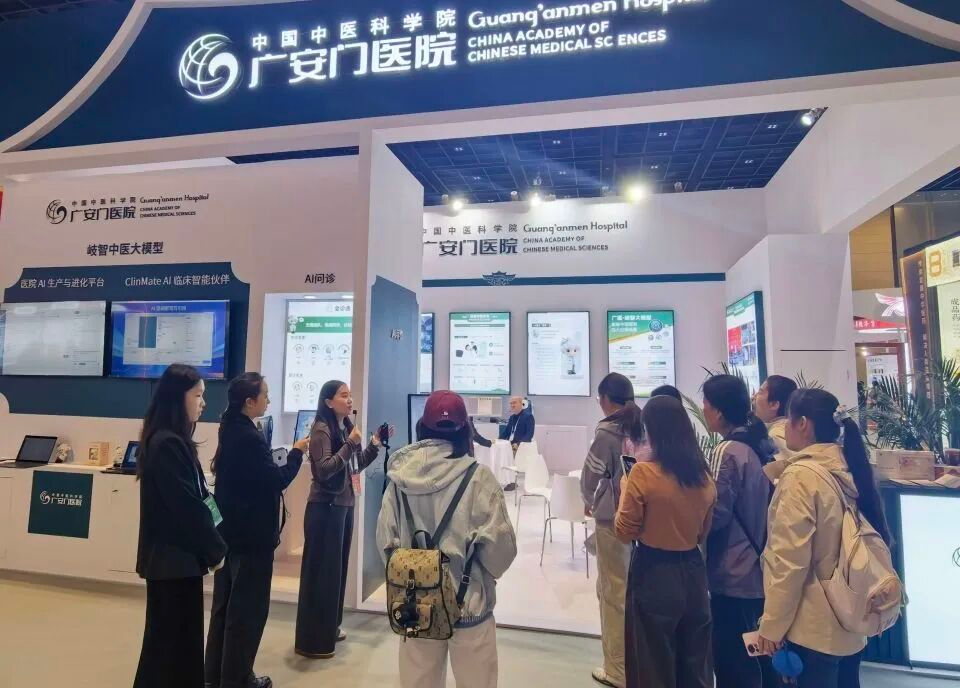
Guang’anmen Hospital also took part in the 2026 Beijing International Traditional Medicine Exhibition and the public welfare exhibition of the Artificial Intelligence and Traditional Medicine Forum. The exhibits showcased the hospital's history, in-hospital preparations, TCM health products and full-process AI applications in clinical care. The display presented the hospital's progress and outcomes of technological empowerment, letting visitors experience the unique value of traditional medicine and promoting TCM culture to benefit public health.